Optical Sorter Buyers Guide: Purity and Throughput
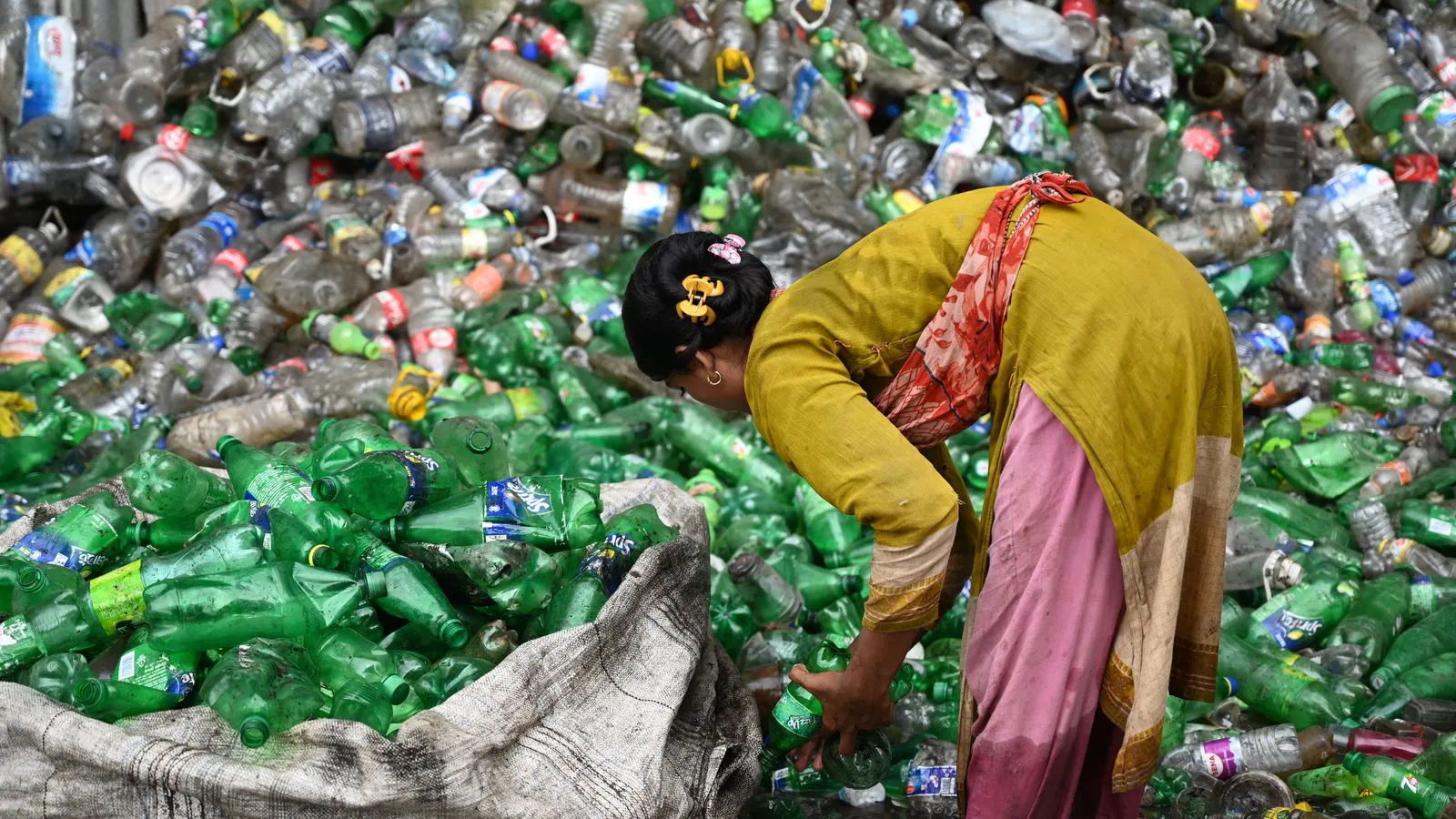
An optical sorter uses near-infrared sensors and air jets to separate plastics by polymer type. Buyers should evaluate detection accuracy, jet precision, and throughput capacity to ensure high purity recovery. This guide outlines key criteria for comparing models and optimizing plant performance.
- Match air jet count and sensor resolution to your target polymer types and particle sizes.
- Verify throughput capacity against your feed material density and expected recovery rate.
- Assess maintenance access for lenses, nozzles, and air systems to minimize downtime.
- Review sample sorting results and ask vendors for data on your specific feedstock.
Define Your Purity Target Before Sizing the Machine
Buyers often treat optical sorting as a single box to buy. It is not. The machine only performs well when the target is clear. If you need 95 percent polyethylene for film bales, the requirements differ from a line needing 90 percent PET for resin pellets. The purity target drives sensor selection, air jet count, and the speed of the sorting conveyor.
Start by defining the feed material. Is it clean flake, dirty bale, or a mix of both? Dirty bales with mixed inorganics require a different configuration than clean flake. A machine that works well on clean material will struggle if the feed contains heavy soiling or mixed polymers.
Next, set the minimum throughput. If you feed 10 tons per hour, the sorter must handle that volume without dropping recovery. If you run variable loads, the machine must handle peak hours. Many buyers focus on the nominal speed and ignore the impact of material density. Dense materials like PET move differently on the conveyor than lightweight film. This changes the effective throughput.
Compare Detection Accuracy and Sensor Resolution
The core of an optical sorter is the sensor. It captures near-infrared light and matches the reflected pattern to a library of polymer signatures. The quality of that library and the resolution of the camera determine how well the machine distinguishes between similar materials.
Ask vendors about the number of pixels per particle. Higher resolution helps identify small particles or thin film that might be missed by lower resolution sensors. It also improves detection of contaminants like wood or metal fragments, which may not be in your primary target list but still need removal for high purity recovery.
Sensor placement matters. If the sensor is too far from the material, the image blurs. If it is too close, the field of view shrinks. A well-designed machine keeps the sensor at the optimal distance. Check if the vendor offers adjustable sensor height or if the design is fixed. Fixed designs can be simpler but less flexible if your material thickness changes.
Do not assume that a larger sensor array is always better. A larger array may capture more data, but it also increases processing load. If the processing unit cannot keep up, the machine will drop detections. Ask for details on the processing architecture. Some systems use multiple processors to handle the data stream in real time.
Evaluate Air Jet Precision and Control
Detection is only half the job. The air jet system must act on the detection with millisecond timing. A misfire means the material stays on the conveyor and goes to the wrong bin. A weak jet means the material does not move enough to separate.
Look at the number of air nozzles. More nozzles allow finer control. A machine with 200 nozzles can target specific particles more precisely than one with 50. However, more nozzles also mean more potential failure points. Each nozzle needs a clean air path and a reliable valve.
Check the air pressure system. A stable pressure supply is critical. If the pressure drops, the jet force drops. If the pressure spikes, the jet may push material into the wrong bin or create excessive noise. A good system includes pressure regulation and monitoring.
The timing of the jet is controlled by the processor. The processor calculates the position of the particle and sends a signal to the correct nozzle. This calculation must happen in a fraction of a second. If the processor is slow, the jet fires too late. Ask vendors about the latency of the control system. Faster latency means better separation, especially at high speeds.
Assess Throughput Capacity and Conveyor Design
Throughput is not just about how fast the belt moves. It is about how much material the system can process per hour while maintaining purity. A fast belt with poor separation will produce low purity output. A slow belt with excellent separation may not meet your production target.
Check the conveyor width and material depth. A wide conveyor can handle more material per pass, but it also means the sensor has to scan a wider area. This can affect resolution. A narrower conveyor may offer better resolution but lower throughput.
The material flow must be even. If the belt is overloaded, the material piles up. Piled material blocks the sensor view. The machine will miss detections. A good design includes a leveler or a feed control that keeps the material layer thin and uniform. Ask about the maximum material depth the sensor can handle.
Consider the conveyor speed. If you run the belt at 5 meters per second, the sensor must process the image and fire the jet within milliseconds. At 2 meters per second, the system has more time. Many machines allow variable speed. This flexibility is valuable if your feed material changes. You can slow the belt for dirty or mixed material and speed it up for clean, uniform flake.
Review Maintenance Requirements and Downtime
An optical sorter is a precision instrument. It will collect dust and debris on the lenses. The air nozzles will clog. The conveyor belts will wear. The air filters will clog. Maintenance is not optional. It is part of the operating cost.
Ask about the service intervals. How often do the lenses need cleaning? How often do the nozzles need inspection? How often do the air filters need replacement? A machine that requires cleaning every shift will tie up your operators. A machine that requires cleaning once a week is easier to manage.
Check the access to the components. Can you reach the nozzles without disassembling the whole unit? Can you clean the lenses while the machine is running, or do you need to stop the line? Some machines have removable lens covers. Others require the entire sensor array to be pulled out.
Consider the spare parts. Air nozzles and valves are consumables. They will fail. How quickly can you get replacements? If the vendor has a local parts warehouse, you can reduce downtime. If you have to wait for a shipment, your production line stops.
Ask about the expected downtime. A well-maintained machine may run for weeks without intervention. A poorly maintained one may stop daily. The difference in downtime can make or break your return on investment. If the machine stops for two hours a week, your effective throughput drops significantly.
Request Sample Sorting Data for Your Feed
The best way to compare optical sorter models is to see them work on your actual material. Vendors should provide sample sorting data. Ask for a report that includes the purity of each output bin and the throughput at that purity.
Do not accept generic data. If the vendor says the machine achieves 95 percent purity, ask for the test conditions. What was the feed material? What was the speed? What was the particle size? What was the ambient temperature? Purity numbers only mean something in context.
Run a trial if possible. Feed your material through the machine for a short period. Measure the output. Compare it to your target. If the machine cannot meet your target, it is not a fit. If it exceeds your target, you may be able to run it faster or accept a slightly lower purity to increase throughput.
Ask the vendor about the tuning process. Every feed material is different. The machine needs tuning to match the sensor signatures to your specific polymers. A good vendor will provide a tuning service. They will adjust the thresholds and weights in the software to optimize separation. Ask how long the tuning process takes and if it is included in the purchase or billed separately.
Make the Final Selection Based on Total Cost of Ownership
The sticker price is only part of the equation. The total cost of ownership includes energy, maintenance, spare parts, and downtime. A cheaper machine that uses more energy or requires more maintenance may cost more over time.
Ask for an energy consumption estimate. Optical sorters use fans, motors, and sensors. The energy cost adds up over thousands of hours of operation. A machine that uses 50 kilowatts per hour is not the same as one that uses 30 kilowatts per hour. Over a year, the difference is significant.
Calculate the maintenance cost. Add up the cost of filters, nozzles, belts, and labor. If the machine requires specialized technicians, the labor cost will be higher. If a local technician can service it, the cost is lower.
Consider the downtime impact. If the machine stops for four hours a week, your production is down four hours. If it stops for one hour, your production is down one hour. The value of that lost production time must be factored into the decision. A more expensive machine that runs more reliably may pay for itself in avoided downtime.
Finally, check the vendor support. Will they provide training? Will they offer remote diagnostics? Will they provide a service contract? Good support extends the life of the machine and keeps it running. A vendor with a strong support network is worth the premium price.
Decision Checklist
Before signing a contract, review the following checklist.
- Has the machine been tested on your specific feed material?
- Does the purity output meet your target at your required throughput?
- Is the maintenance schedule compatible with your shift pattern?
- Are spare parts available locally or with a short lead time?
- Is the energy consumption within your budget?
- Does the vendor offer training and remote support?
- Is the total cost of ownership competitive with other options?
- Is the installation timeline aligned with your production schedule?
- Are the warranty terms clear and sufficient?
- Have you verified the references of other plants using the same model?
If you can answer yes to most of these questions, you are ready to proceed. If not, return to the vendor and ask for clarification. Do not assume. Get the details in writing. The goal is to buy a machine that fits your plant, not just a machine that looks good on paper.
Frequently asked questions
What is the difference between optical sorting and magnetic sorting?
Optical sorting uses near-infrared sensors and air jets to separate plastics by polymer type. Magnetic sorting uses magnets to remove ferrous metals. They serve different purposes and are often used together in a recycling line.
Can an optical sorter handle mixed polymer bales?
Yes, but the performance depends on the bale density and the purity target. Mixed bales are harder to sort because the materials are compressed together. The machine may need to be tuned for lower throughput to maintain accuracy.
How long does it take to install an optical sorter?
Installation time varies by site preparation and machine size. A standard installation may take one to two weeks. If site modifications are needed, the timeline can be longer. Coordinate with your plant engineers early.
What happens if the sensor gets dirty?
A dirty sensor will miss detections and reduce purity. Most machines have an automatic cleaning cycle or a manual cleaning procedure. Regular maintenance is required to keep the sensor clean.
Can I upgrade the software of an existing optical sorter?
Yes, many vendors offer software updates that improve detection accuracy or add new polymer signatures. Ask your vendor about the update process and if it is included in the service contract.